

When temperatures drop and remain low, many of us naturally keep our windows closed to stay warm, but this often traps moisture indoors. The result is an increase in condensation and damp, and with it the familiar challenge of preventing mould from taking hold.
Our German colleagues have long relied on a simple tradition that may offer some help. It is called “Lüften“, which means airing out, and it remains a daily habit in homes across Germany. This thoughtful practice later developed into a modern method known as “Stoßlüften”, or shock airing. Here is what it involves, how it works, and whether it could benefit homes here in the UK.
What is “Lüften” and why is it so popular in Germany?
“Lüften” literally means “to air out”. It is the practice of regularly opening windows to let fresh air circulate through the home. For generations, Germans have believed that good air circulation supports both physical health and overall wellbeing.
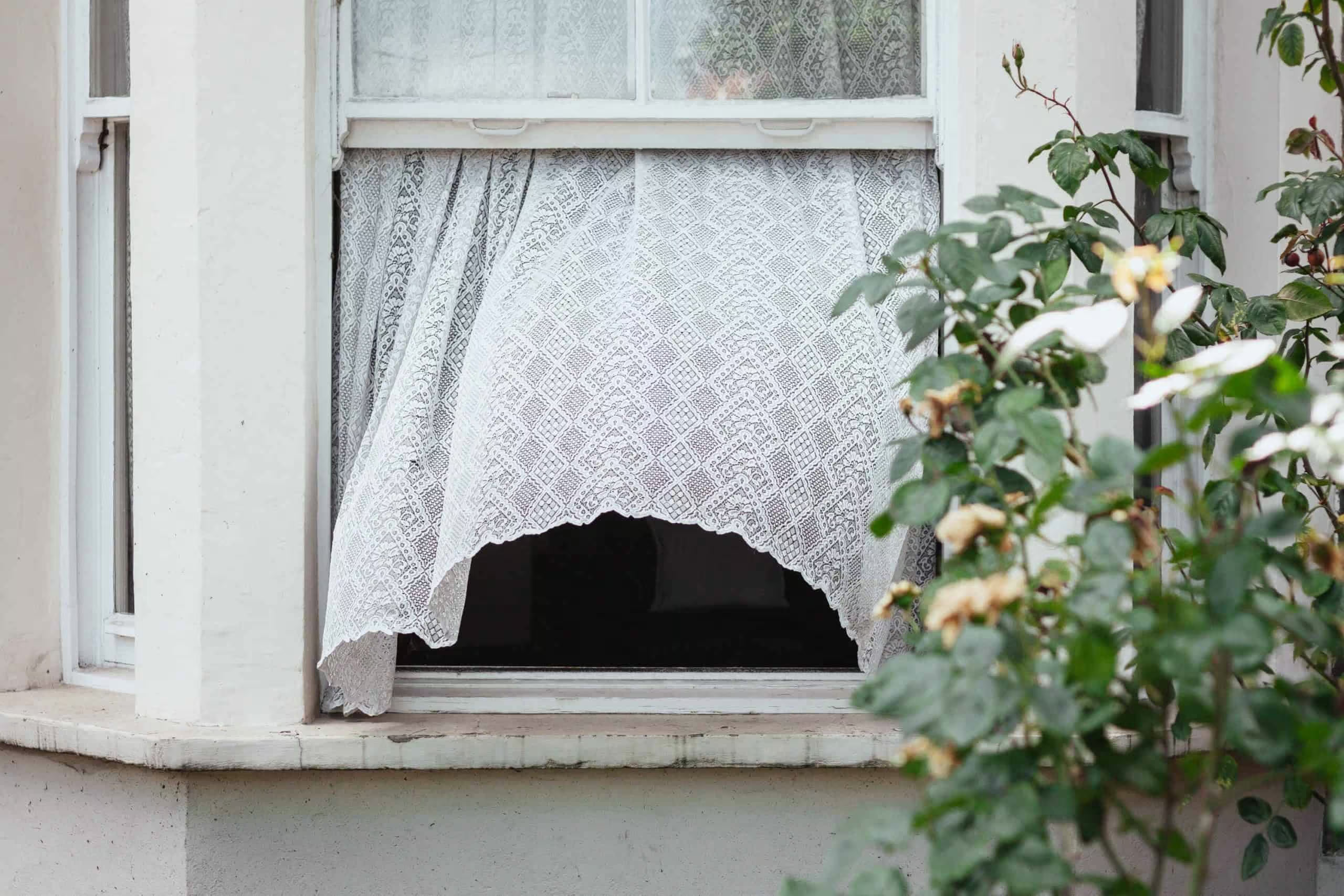
As building standards improved and homes became more energy efficient, the approach evolved into “Stoßlüften”, which means “shock airing”. This version involves opening windows wide for a short, intense period of time to replace stale indoor air with clean outdoor air.
When every window in the home is opened at once, the process is known as “Querlüften”, or “cross ventilation”. This allows air to flow freely from one side of the property to the other, providing an even faster exchange.
Understanding the principle behind “Stoßlüften”
The concept behind “Stoßlüften” (pronounced: SHTOSS-loof-ten) is both simple and clever. By opening windows wide for only a few minutes, you can refresh the air indoors without significantly losing heat. In a well-insulated property, most of the warmth is stored in the walls and floors rather than in the air itself, meaning the temperature recovers quickly once the windows are closed again.
In Germany, this habit is so ingrained that some tenancy agreements require tenants to “lüften” every day. During the Covid-19 pandemic, the German government also advised frequent ventilation to help reduce the spread of the virus.
There is even a well-known German saying that sums up this commitment to fresh air: Erfroren sind schon viele, erstunken ist noch keiner, which translates to “Many have frozen to death, but no one has ever died from a bad smell!”
Building Design and the Science Behind Air Exchange
A study reported by Politico and published in Energy and Social Science found that while Germany’s building standards have become extremely efficient, behaviour has not always adapted to match. Many residents still leave their windows slightly open for long periods of time, believing it has the same effect as short, sharp airing.
Unfortunately, this continuous ventilation allows heat to escape and increases energy consumption. It can also raise heating costs and make it harder to achieve carbon emission targets.
The key to effective “Stoßlüften” is timing and intensity. Windows should be opened wide for less than five minutes, ideally with internal doors open to allow air to move throughout the home. This approach refreshes the air while keeping most of the warmth inside.
The impact of “Lüften” on indoor air and moisture
“Lüften” is very effective at improving air quality. Just a few minutes of fresh air can remove pollutants, reduce odours, and make your home feel noticeably fresher.
When it comes to damp and mould, the situation is more nuanced. The key factor is the relationship between temperature and relative humidity. Relative humidity is basically how much moisture is in the air compared to the maximum amount the air can hold at that temperature. When air gets colder, it can hold less moisture, so its relative humidity goes up. Conversely, when air warms up, its relative humidity goes down.
Here’s an example: imagine the air outside is 10°C with 80% relative humidity – that’s cool and fairly humid. When you let this air into a heated room at 20°C, the relative humidity drops to around 52%. In other words, the air becomes drier indoors, even though the actual amount of moisture hasn’t changed.
You’ve probably noticed this effect after a hot shower. Steam fills the bathroom, raising humidity. Opening a window lets the warm, humid air out and brings in cooler air, which reduces the relative humidity – helping prevent condensation and mould.
However, in mild and damp conditions which are common in the UK, airing out may not always significantly reduce moisture levels. Areas such as bathrooms or spots prone to condensation can stay damp even after windows are opened. Long periods of ventilation can also cool rooms without achieving the level of humidity reduction needed to prevent mould.
When “Lüften” is not enough: Why dehumidifiers are still essential
As the previous section shows, the UK’s mild and often damp climate means that “Lüften” alone is rarely enough to tackle persistent moisture. Keeping windows open for long periods can lower the room temperature by a few degrees yet still fail to bring humidity down enough to prevent mould growth.
A dehumidifier is therefore a far more effective solution. It physically removes excess moisture from the air, reducing humidity to around 50 to 55%RH, which helps prevent condensation and mould. It also avoids wasting energy by repeatedly reheating cold outdoor air.
A balanced approach for fresher, drier British homes
So, should we all start practising “Stoßlüften” in the UK? The answer is yes, but with a little care and consideration.
Short bursts of ventilation can keep your home feeling fresher and healthier, particularly in newer and well insulated properties. For older homes or those that struggle with damp, combining controlled ventilation with a dehumidifier will achieve the best results.
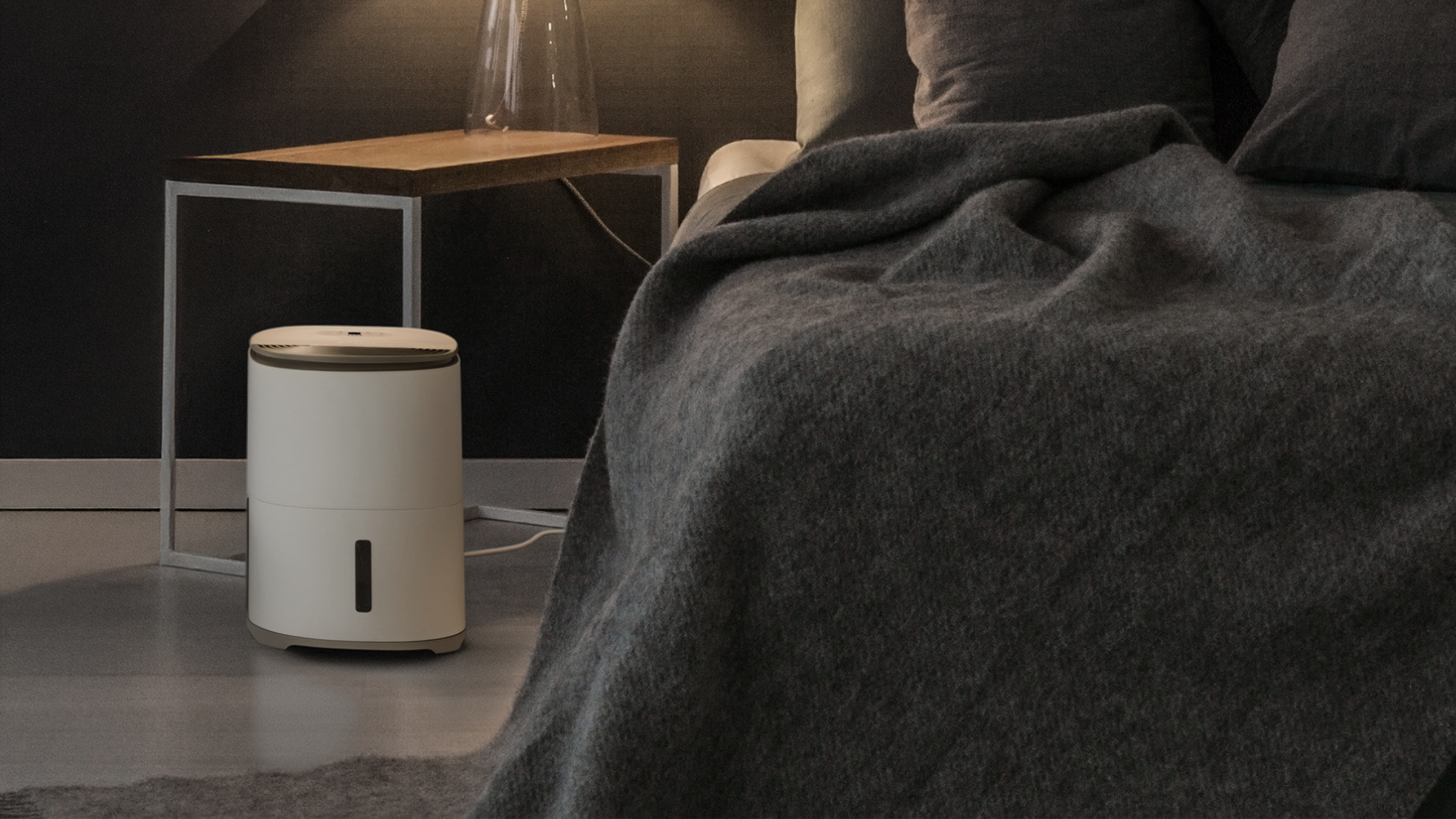
This is where a well designed dehumidifier can make a meaningful difference. Our MeacoDry Arete® dehumidifiers are engineered specifically for the needs of UK homes and the British climate. They remove moisture efficiently, operate quietly and include a medical grade H13 HEPA filter so the air is not only drier but also cleaner. With Smart Humidity control and energy conscious performance, they offer a practical way to maintain healthy air quality throughout the winter and beyond.
In the end, adopting a little German discipline together with some British practicality could be the key to a cleaner, drier and more comfortable home this winter.
Featured Products:
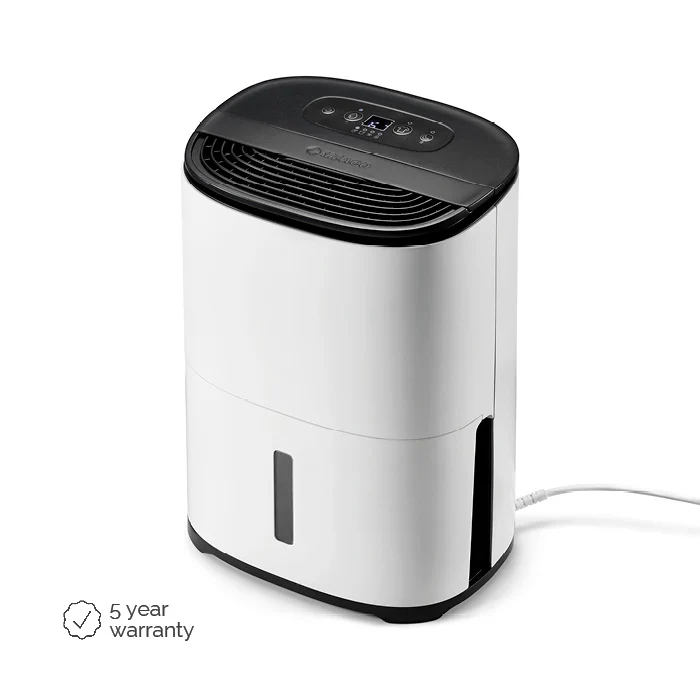
- Combined Dehumidifier/ Air Purifier
- Whisper-quiet operation from 32 dB
- Energy efficient – Running costs from just 4p / hour
- Five-year warranty, guaranteed to last
- Shop Arete® online