

From 1 May 2026, the Renters’ Rights Bill will reshape the private rental sector in England. For millions of tenants, it promises greater security and stronger protections. For landlords, it sets clearer expectations and responsibilities. One area where this change will be especially important is the ongoing issue of damp and mould in rented homes.
What is the Renters’ Rights Bill and why it matters
The new legislation introduces a wide range of reforms designed to create a fairer rental system. Tenants will benefit from increased stability, including the end of no-fault evictions and more flexible tenancy agreements that roll on without fixed end dates. Rent increases will be limited to once per year, and tenants will have the right to challenge unfair increases. Rules around discrimination are also tightening, meaning landlords cannot refuse tenants based on factors such as having children or receiving benefits.
Alongside these headline changes, the government is placing greater emphasis on living conditions. This is where the conversation around damp and mould becomes particularly relevant.
A stronger focus on housing standards, including damp and mould
Future updates to the legislation will introduce clearer housing standards across the private rental sector. Plans include a new Decent Homes Standard and improved enforcement powers for local authorities. There is also ongoing discussion about extending Awaab’s Law to private rentals. Awaab’s Law was introduced following the tragic death of Awaab Ishak and requires landlords in social housing to investigate and fix serious hazards, such as damp and mould, within strict timeframes. For tenants, this means greater confidence that issues affecting health and safety will be taken seriously. For landlords, it means acting quickly and proactively to maintain their properties.
For a deeper look at how this law is shaping healthier homes, you can read our blog: Honouring Awaab’s Law: How Meaco Is Helping to Prevent Damp and Mould in UK Homes.
Why damp and mould remain a major concern
Damp and mould are not just cosmetic problems. They can have a serious impact on our health, especially for children, older adults and those with respiratory conditions. Excess moisture in the air creates the perfect environment for mould spores, dust mites and bacteria to grow. This can lead to poor indoor air quality, which may worsen allergies and breathing issues.
Even in well-maintained homes, everyday activities such as cooking, showering and drying clothes indoors can increase humidity levels. Without proper control, condensation can build up and contribute to damp problems over time.
Taking control of humidity in your home
While the Renters’ Rights Bill will improve accountability, managing humidity is something both tenants and landlords can act on immediately. A dehumidifier is one of the most effective ways to reduce excess moisture in the air. By maintaining a balanced humidity level, it helps prevent condensation and limits the conditions in which mould can develop.
This is not just a seasonal fix. Humidity levels fluctuate throughout the year, so using a dehumidifier consistently can support a healthier home environment in every season. For landlords, providing solutions that help manage damp can protect the property and reduce the risk of costly repairs. For tenants, it creates a more comfortable and healthier space to live in.
Improving air quality with 2-in-1 solutions
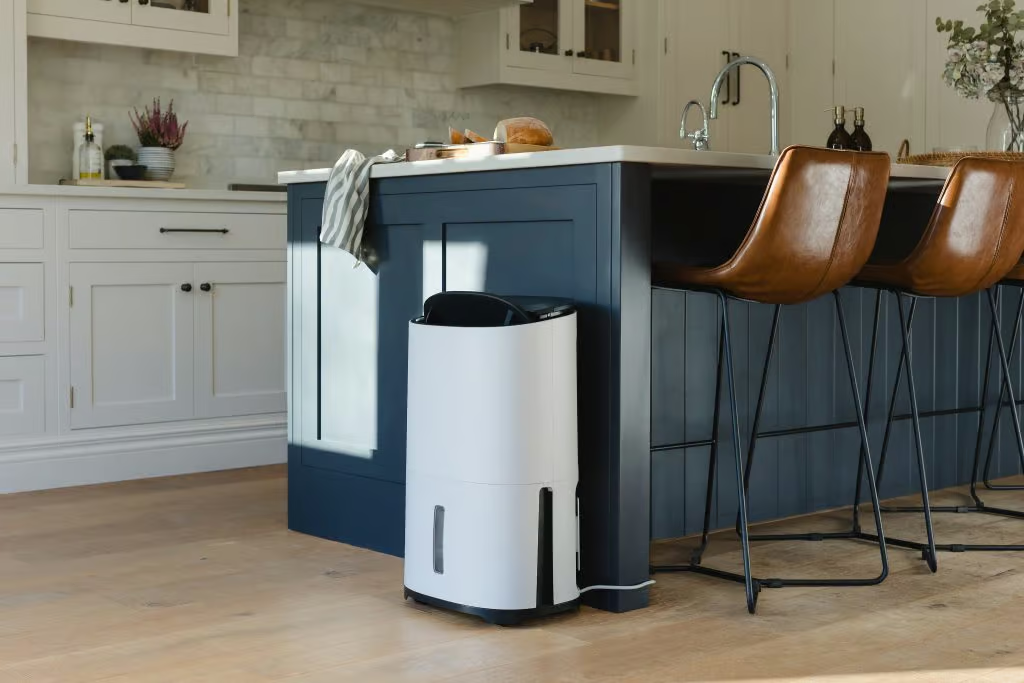
Modern homes are increasingly focused on overall air health, not just moisture control. This is where combined dehumidifier and air purifier units come into their own. Products like Meaco’s Arete® range offer a dual approach. Alongside extracting moisture, they include medical-grade H13 HEPA filtration that can remove 99.75 percent of airborne particles as small as 0.3 micrometres. This includes dust, allergens and other pollutants.
Browse our full range of 2-in-1 Dehumidifier/ Air Purifier models.
An optional charcoal filter can also help reduce household odours, adding another layer of comfort to indoor living. By tackling both humidity and airborne particles, these units support a cleaner and healthier home. This is particularly valuable in properties where damp and condensation have been ongoing concerns.
A shared responsibility for healthier homes
The Renters’ Rights Bill highlights a shift towards better living standards across the rental sector. Landlords are expected to provide safe, well maintained homes, while tenants are empowered with stronger rights and clearer routes to raise concerns.
At the same time, improving indoor air quality is a shared effort. Simple steps like managing ventilation and controlling humidity can make a meaningful difference. With the right tools and awareness, both tenants and landlords can benefit from homes that are not only compliant with new regulations, but also healthier and more comfortable to live in.
Looking ahead
As the new rules come into force, the focus on damp, mould and overall housing quality will only grow. For anyone renting or letting property, this means taking a more proactive approach to preventing issues before they develop. Controlling humidity is one of the simplest and most effective ways to reduce the risk of damp and mould, helping to protect both health and the condition of a home.
At Meaco, we design our dehumidifiers to support that everyday prevention. Whether it is managing excess moisture or using a 2-in-1 dehumidifier and air purifier to improve overall air quality, the aim is to make healthier indoor environments easier to maintain throughout the year, particularly in homes where damp and condensation are an ongoing concern.
Featured Products:
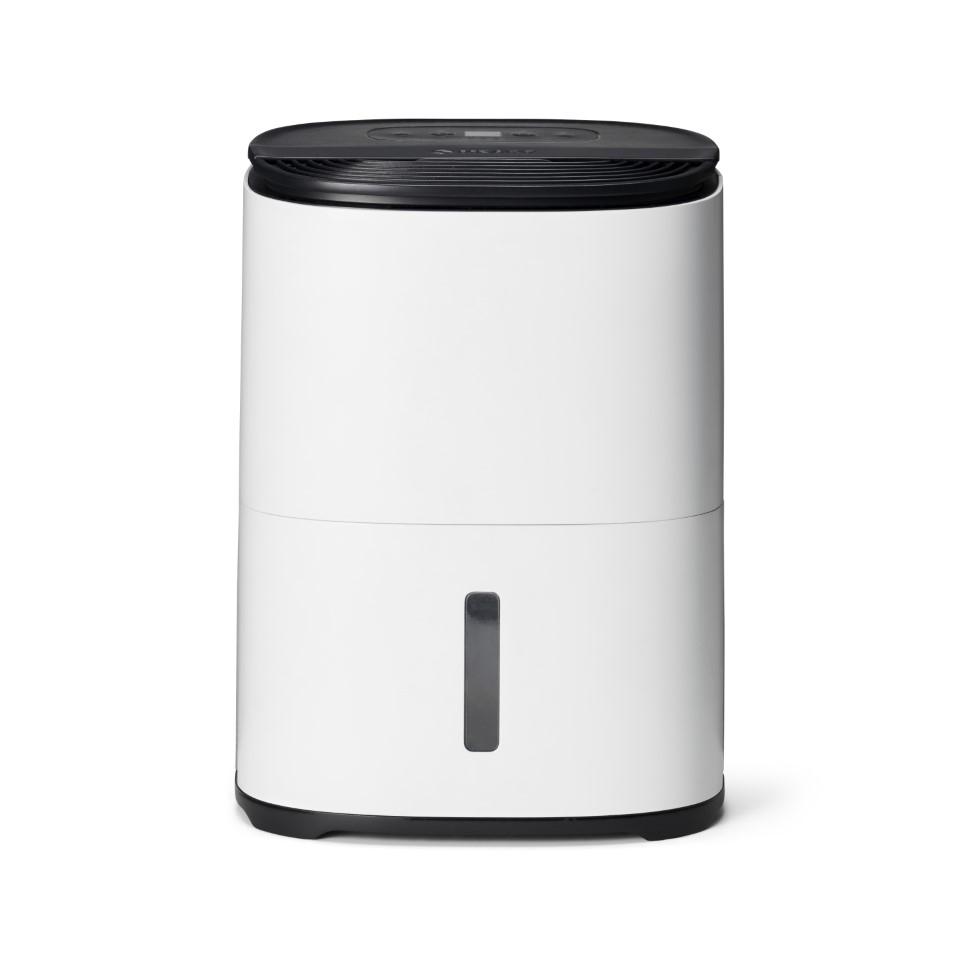
- Combined Dehumidifier/ Air Purifier
- Energy efficient – Running costs from just 4p / hour
- Whisper-quiet operation from 32 dB
- Five-year warranty, guaranteed to last
- Shop Arete® online